


Will The Floodgates Open As Consumer Backlash To Spam Unleashes?

Every e-mail user receives them, some days in numbers hitting the triple digit mark – those targeted, often annoying and unsolicited e-mails that clog our inboxes, originating from any of a multitude of establishments, including retailers, service establishments, and even our own social media. Regulation over unwanted e-mails has been limited mostly to the…
Read MoreHighlights And Takeaways from the October 30th FTC Lead Generation Workshop

Exploiting consumers and exploiting consumer data were popular themes in the FTC’s October 30th workshop on lead generation, “Follow the Lead.” The day-long workshop explored the mechanics of lead generation and its role in the online marketplace. With a focus on the lending and education spaces, panelists discussed the many layers of marketing involved…
Read MoreJumping To Judgment on For-Profit Education
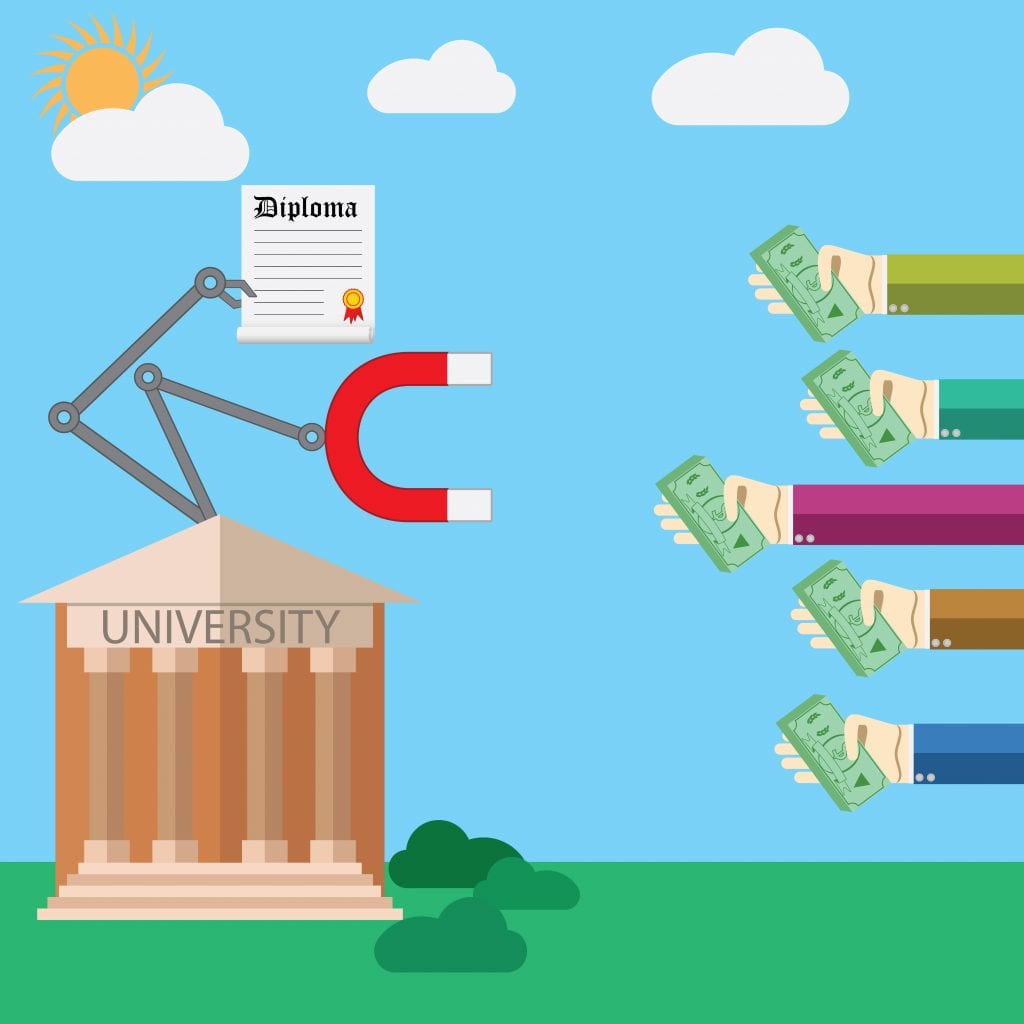
If you didn’t know any better, you might have gotten pretty fiery over for-profit education after reading one of the front page stories of Tuesday’s New York Times. The lengthy article titled “For-Profit Colleges Fail Standards, but Get Billions” is all about accusations of greedy institutions bilking taxpayers and taking advantage of students through…
Read MoreTCPA Trouble Continues: FCC Slams Lyft and First National Bank for Terms of Service Requiring Consent

Most of the attention involving the Telephone Consumer Protection Act (“TCPA”) has centered on the stream of class actions around the country. It is important to remember that the Federal Communications Commission (“FCC”) and state attorney generals can, and do, enforce the TCPA. In fact, the FCC recently issued citations to Lyft, the ride-sharing…
Read MoreThe Key to Steering Clear of the FTC’s Crack Down on Car Dealership Advertisements

Car dealerships are notorious for running loud, flashy ads with too-good-to-be-true offers for outrageous deals to buy or lease cars. Some dealerships downplay or even hide the seemingly endless list of qualifications on those offers which render many potential buyers ineligible for the deals, much to the irritation of misled consumers. The FTC has…
Read MoreState Attorneys General Tell Congress: “Back-Off Our Data Breach Authority”

Every week, we learn about new data breaches affecting consumers across the country. Federal government workers and retirees recently received the unsettling news that a breach compromised their personal information, including social security numbers, job history, pay, race, and benefits. Amid a host of other public relations issues, the Trump organization recently discovered a potential…
Read MoreFree* to Play Means Only If You Pay

As online gaming companies compete for business, they are offering customers increasingly large incentives to play on their websites, often in the form of deposit bonuses. These deposit bonuses allow players to play with the bonus money as if it’s cash and keep the winnings (although players cannot cash out the bonus itself). However,…
Read MoreFAIL: For-Profit Education Sector Dealt Major Blow

For-profit education was dealt a major blow in a federal court case challenging the Department of Education’s Gainful Employment Rule. U.S. District Court Judge Lewis Kaplan of New York dismissed a lawsuit that was filed last November by the Association of Proprietary Colleges. The lawsuit is one of two filed in federal court shortly…
Read MoreKeeping Your Privacy Promises: Retail Tracking and Opt-Out Choices

As children, many of us were taught how important it is to “keep your word.” Similarly, it is black letter privacy law that if a company commits (for instance, in a privacy policy or in website statements) to certain actions or practices, such as maintaining certain security features or implementing consumers’ choices on opt-outs,…
Read MoreYelp Fights for the Right to Complain Anonymously

In e-commerce, user reviews can make or break a business. Review sites such as Yelp are a double edged sword for merchants and service providers: on one hand satisfied customers can generate buzz about the company and bring in new customers, and on the other hand dissatisfied customers can use it as a very…
Read More