Insights < BACK TO ALL INSIGHTS

Atlantic City Needed to Go Online Years Ago
Atlantic City Needed to Go Online Years Ago
By: Jeff Ifrah
Photo Credit: Meinzahn
Three more casinos are set to close in Atlantic City. Unions, politicians and lobbyists are pointing fingers. One thing is for certain, newly introduced online gaming legislation is not to blame. If experts had been paying attention to the trends, they would have introduced regulated online gaming into New Jersey years ago.
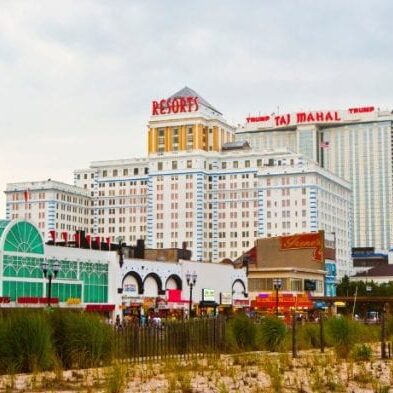
New Jersey voters approved a measure to legalize casinos in Atlantic City in 1976. Casino operators responded quickly to the opportunity. The first casino in Atlantic City was the Resorts Casino Hotel, which opened in 1978 at a cost of $11M. By 1987 there were 12 casinos in Atlantic City. Business boomed. Revenues easily exceeded $3 billion annually. Atlantic City offered it all and a beautiful beach to boot.
But by 2004, a new era of declining revenues and competition from neighboring states would see revenues plummet by over 45%. For six successive years starting in 2007, revenues across the board declined by 8.19% per year. By the Summer of 2013, the Atlantic Club (formerly the Hilton) and the Trump Plaza entertained buyers. Now, those two properties along with the Showboat Hotel and Casino and possibly the Revel Hotel and Casino will all be closed for good.
In 2013, as revenues hit rock bottom, and with casinos preparing to shut their doors, Governor Christie finally began to address the problem. (Christie vetoed a similar bill in 2011). Christie signed a bill to allow AC Casinos to partner with online gaming operators to offer online casino and card games to NJ residents. Online gaming officially opened for business on November 21, 2013 and through three complete quarters online gaming has generated approximately $30M in revenues.
Given sufficient time, online gaming can be a robust and profitable part of New Jersey’s gaming industry. With more investment in marketing, online gaming will also help drive more traffic from its unique online customers into struggling land based casinos. But turn around a multi-billion dollar industry in a mere three quarters of operation? I don’t think so. To make a dent in the sinking revenues of the land based casino industry, New Jersey should have legalized expansive online gaming years ago.