Insights < BACK TO ALL INSIGHTS

Problem Gaming or Problem Industry Players?
Problem Gaming or Problem Industry Players?
By: Michelle Cohen
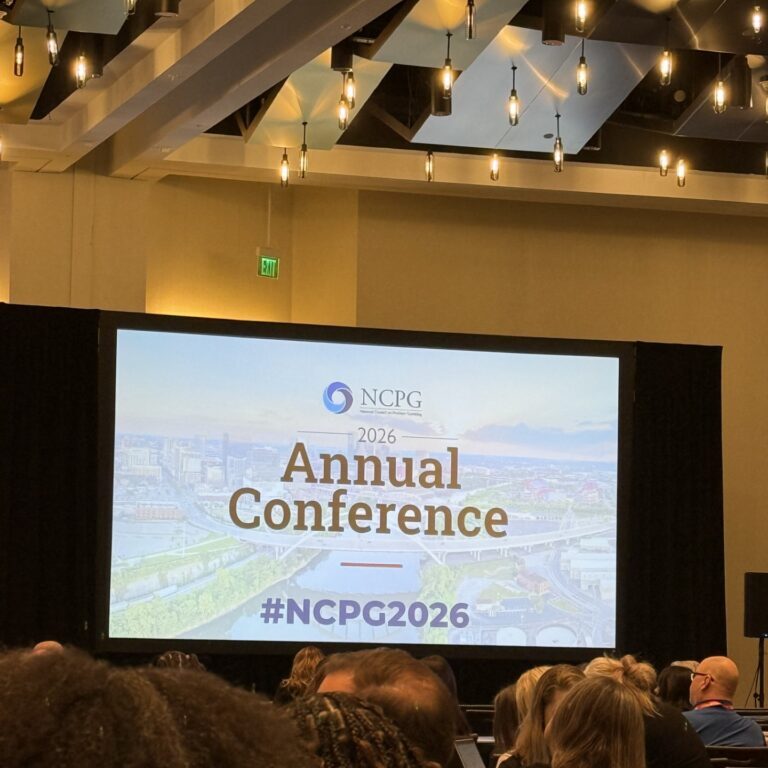
Over the summer, I attended the National Council on Problem Gambling’s (“NCPG”) annual conference in Nashville. NCPG is the nation’s leading nonprofit organization dedicated to reducing the harms associated with problem gambling. NCPG is a membership-supported organization whose members include major gaming companies, professional sports leagues, nonprofit organizations, and state government regulatory agencies. In Nashville, I learned from various stakeholders, including doctors, therapists, and individuals in recovery now acting as peer counselors. Several private businesses also presented new tools to help people set responsible limits and control their interactions with gaming sites. It seemed that industry players, regulators, and medical professionals were working diligently with NCPG to prevent and treat problem gambling. But then came … Kalshi.[1]
Historically, the gaming industry does not adapt well to “disruptors.” Whenever there’s a new player, especially one with a new service, certain incumbents claim various harms, including risks of addictive behaviors or general illegality (remember the anti-daily fantasy sports brigade?). In the last couple of years, Kalshi burst on the scene as a prediction market offering “contracts” to the public on a variety of subjects, including current events, elections, and sports. (I will leave the upcoming U.S. Supreme Court battle over who regulates Kalshi to another blog.) Kalshi joined NCPG with a $2 million, two-year investment to fund a Financial Trader Health and Safety Initiative. It makes sense. Why not bring Kalshi into the fold to bolster NCPG’s resources, introduce new ideas to the organization, and support the customers of Kalshi, other prediction markets, and financial traders?
Instead of welcoming Kalshi and encouraging the expansion of NCPG’s footprint, a tsunami of criticism descended on NCPG. Apparently, some (including state regulators) are so appalled by Kalshi that they resigned their NCPG memberships. An “I’m taking my ball and going home” approach. A recent case in point is the Nevada Council on Problem Gambling’s decision to sever ties with NCPG. And, not to be outdone, the Nevada Gaming Control Board (“NGCB”) recently granted initial approval to a revision of its Regulation 5.170(2) to change the problem gambling phone number and information for help to that of the Nevada Council on Problem Gambling. The NGCB will intentionally delete references to NCPG and NCPG’s national helpline, now known as 1-800-MY-RESET. Considering that many people who gamble in Nevada live out of state and might seek help from their homes, having a local number rather than NCPG’s national helpline seems to discourage, rather than facilitate, access to help. The NGCB and other regulators have repeatedly stated that prediction markets lack consumer protections, particularly problem gambling resources. Yet, instead of encouraging prediction markets to further these initiatives through the nation’s leading problem gambling association, they have extricated their states from NCPG.[2]
On the flip side, recognizing that responsible play and problem gambling tools shouldn’t be exclusive, the NBA and the WNBA extended their reach. The leagues just launched a new responsible gaming campaign with NCPG. The campaign will educate basketball fans about the risks associated with sports betting and prediction markets. Professional basketball fans will receive information on available resources, such as how to set limits on time and money and how to seek support. The leagues recognize that how the public interacts with sports continues to evolve. Through this partnership with NCPG—which includes rather than excludes prediction markets—the leagues are extending resources and tools to meet the needs of an evolving marketplace. They are bringing Kalshi and other prediction markets and their customers into the fold in furtherance of public health initiatives.
So, which course serves the public better? The “I’m taking my ball and going home” approach by certain state regulators and agencies, or the “let’s make sure more people can access these resources” team? By turning away from NCPG, regulators and organizations risk harming the very public they claim to serve. We can do better.
[1] Our firm does not represent Kalshi. We were proud to sponsor a “speed networking” event at NCPG’s conference.
[2] Massachusetts regulators have taken a more measured approach and chosen to maintain the agency’s membership with NCPG.