Insights < BACK TO ALL INSIGHTS

Problem Gaming or Problem Industry Players?
FEATURED
October 14, 2026
Problem Gaming or Problem Industry Players?
By: Michelle Cohen
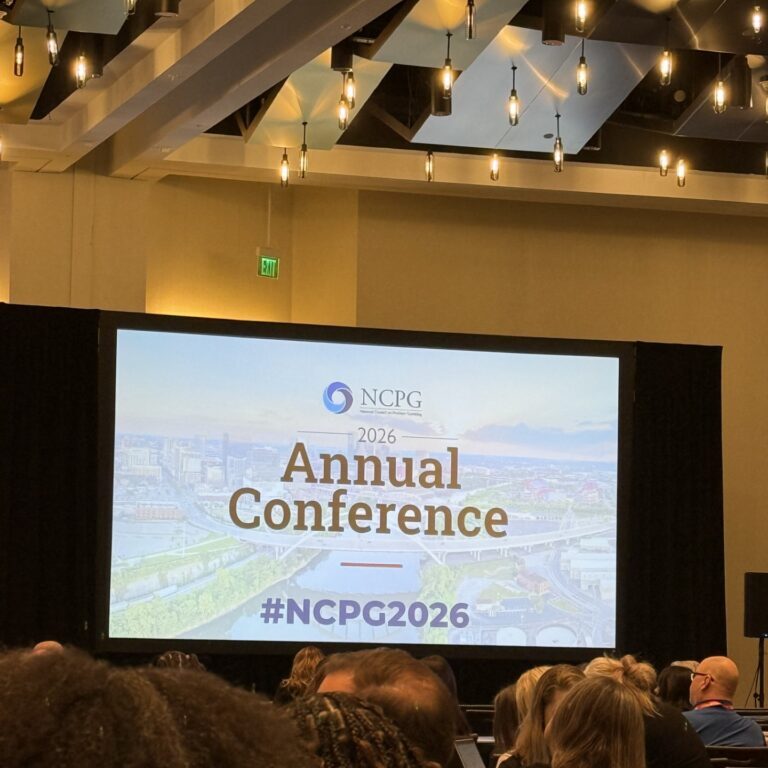
Over the summer, I attended the National Council on Problem Gambling’s (“NCPG”) annual conference in Nashville. NCPG is the nation’s leading nonprofit organization dedicated to reducing the harms associated with problem gambling. NCPG is a membership-supported organization whose members include major gaming companies, professional sports leagues, nonprofit organizations, and state government regulatory agencies. In Nashville, I learned from various stakeholders, including doctors, therapists, and individuals in recovery now acting as peer counselors. Several private businesses also presented new tools to help people set responsible limits and control their interactions with gaming sites. It seemed that industry players, regulators, and medical professionals were working diligently with NCPG to prevent and treat problem gambling. But then came … Kalshi.[1] Historically, the gaming…

Sara Dalsheim on Successful Licensing, Marketing and Regulatory Strategies for iGaming Clients
October 12, 2026
Sara Dalsheim on Successful Licensing, Marketing and Regulatory Strategies for iGaming Clients
By: Ifrah Law
For businesses competing in the rapidly evolving iGaming industry, it is a huge advantage to have a lawyer who knows the game and has an intense desire to win. Sara Dalsheim combines her life-long passion for sports with diverse experience in sports betting and iGaming law. She is adept at guiding clients through regulatory and licensing processes, negotiating agreements, and structuring business partnerships that seek…
Ifrah Law Secures Major Victory for iGaming Operators as Massachusetts Court Reinforces Arbitration Rights
October 8, 2026
Ifrah Law Secures Major Victory for iGaming Operators as Massachusetts Court Reinforces Arbitration Rights
By: John Mikuta
In a significant victory for iGaming operators, a Massachusetts trial court issued a sweeping decision reinforcing the enforceability of arbitration agreements against third-parties who seek to recover alleged gambling losses under Massachusetts law.[1] The ruling represents a major win for Ifrah Law’s iGaming clients and underscores Ifrah Law’s ability to navigate novel legal challenges, develop sophisticated strategies, and achieve meaningful results at a time when…
A New Turn for Washington State’s Online Poker Law
October 15, 2010
A New Turn for Washington State’s Online Poker Law
By: Ifrah Law
After the unanimous rejection by the Washington State Supreme Court of a lawsuit that attempted to overturn the state’s draconian ban on online poker, proponents of the game now say that they’re going to go to the state legislature and try to get the law repealed, rather than pursue the challenge in the U.S. Supreme Court. On Sept. 23, 2010, the state court rejected the…
Poker, as a Game of Skill, Is Beyond Reach of Gaming Laws
July 9, 2010
Poker, as a Game of Skill, Is Beyond Reach of Gaming Laws
By: Ifrah Law
The highly regarded British publication The Economist has just published an interesting article that strongly makes the case that poker is a game of skill, not a game of chance. The article notes that poker is, of course, big business these days, pointing to a consultant’s estimate that the online poker market amounts to $4.9 billion worldwide, with $1.4 billion of that being spent in…
Not so Fast Kentucky
November 2, 2009
Not so Fast Kentucky
By: Ifrah Law
When the Commonwealth of Kentucky petitioned the Franklin Circuit County Court to seize www.fulltiltpoker.com, Pocket Kings Limited, asked a U.K Chancery Court to injoin FTP’s registrar, Safenames Limited, from complying with the Kentucky trial court order. In an order dated October 22, 2009, the Chancery Court granted Pocket King’s request and declared that Safenames shall not comply with any present or future seizure order from the Commonwealth…
Kentucky Supreme Court Considers Poker
November 2, 2009
Kentucky Supreme Court Considers Poker
By: Ifrah Law
On October 22, 2009, the Supreme Court of Kentucky heard oral arguments in the above referenced case. The case originated when the Commonwealth of Kentucky filed civil seizure and forfeiture proceedings against 141 domain names – virtually all of which offered or involved internet gaming. The Commonwealth contended that domain names constitute gambling devices under state law and as such were subject to seizure under…