Insights < BACK TO ALL INSIGHTS

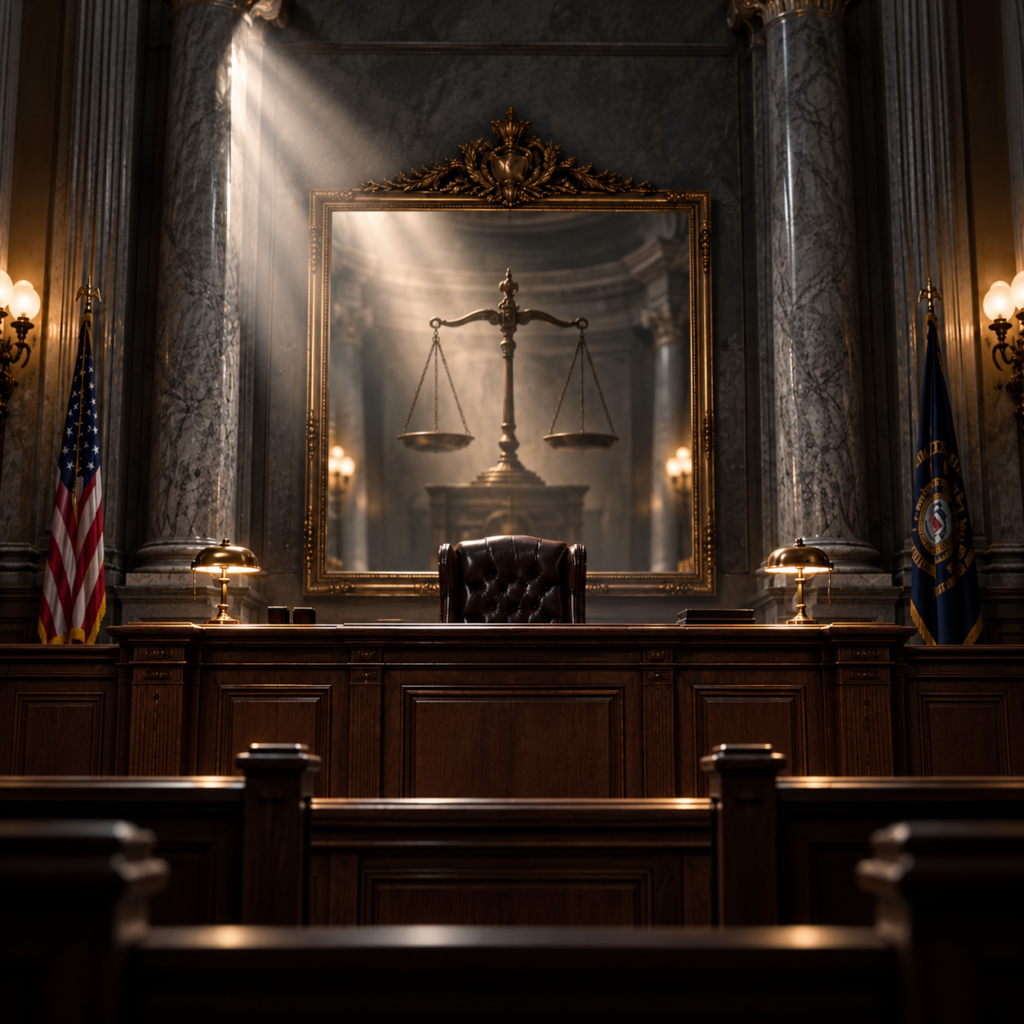
Judging the Judges
FEATURED
October 2, 2026
Judging the Judges
By: Lauren Scribner
Judges are in the business of holding people accountable for crimes and misconduct—but how do we hold judges accountable for their own ethical lapses? Recently, in a moment of frustration, Florida Second Circuit Judge J. Layne Smith told three attorneys practicing in his courtroom that he “would like to tell the deputy to pull his gun and shoot all three of [them] as far as [his] level of frustration right now.”[1] Yes—you read that correctly. A presiding judge vocalized his thought to have attorneys practicing in his courtroom shot by courtroom security. What should the consequence be for using such threatening language? A mere public reprimand and recusal from that case?[2] Or, should there be some sort of tangible punishment?…
Dismissive of Dismissal
September 25, 2026
Dismissive of Dismissal
By: James Trusty
During the two Trump administrations, a trend has begun to emerge of federal judges challenging the once-unrestricted authority of the Department of Justice (DOJ) to dismiss indictments. The longstanding framework of separation of powers suggests this judicial pushback is unsupported activism, but the judges claim the Federal Rules of Criminal Procedure (“Rules”) do not relegate their role to rubber stamping. Ultimately, this trajectory may lead…
In the age of AI, litigators must read between the lines—literally.
August 18, 2026
In the age of AI, litigators must read between the lines—literally.
By: Robert Ward
In the age of AI, litigators must read between the lines—literally. Any attorney who has litigated a case against a party proceeding pro se is familiar with the common refrain that courts liberally construe pro se filings.[1] This leniency was not enough for one Connecticut litigant. In a scheme that gives new meaning to the phrase “reading between the lines,” pro se plaintiff Matthew Elliot…
Death by a Thousand Cuts
May 8, 2020
Death by a Thousand Cuts
By: James Trusty
When legal scholars look back at the failed Flynn prosecution, they will not be able to pin the dismissal on a single deficiency or legal principle, but if they are fair they will recognize a small case that was plagued with innumerable flaws. The DOJ Motion to Dismiss, filed in the rarified air of a case where the guilty plea already took place, spends a…
Videoconferencing to the Rescue
April 1, 2020
Videoconferencing to the Rescue
By: James Trusty
While the recent passage of the “Coronavirus Aid, Relief, and Economic Security (“CARES”) Act is receiving tremendous attention because of its price tag, strategies to keep businesses and families afloat, and its hidden gems for beneficiaries like the Kennedy Center, it also has a component that is important for federal practitioners who handle criminal matters in District Courts around the country. Federal courts currently show…
How White Hats Get Dirty
March 19, 2020
How White Hats Get Dirty
By: James Trusty
Historically, undercover operations by law enforcement would run into problematic “loyalty tests,” designed to make sure that the criminal conspirators could trust the “new guy.” Biker gangs would ask this “pledge” to beat someone up or take drugs, knowing law enforcement agencies would likely not let that happen, even in an undercover capacity. Prostitution stings could be compromised by either a John smart enough to…
A Tiny Crack in the Wall?
December 10, 2019
A Tiny Crack in the Wall?
By: James Trusty
Federal sentencing proceedings have a long and rich history of including every speck of good and bad that a defendant brings to the table. Unlike the trial itself, there are no Rules of Evidence that apply to keep the factfinder from considering unreliable or unproven information. The judge need only find facts by a preponderance of evidence, and those facts can be established by hearsay….
Celebrating 10 Years by Strategizing with the Best
August 6, 2019
Celebrating 10 Years by Strategizing with the Best
By: Nicole Kardell
How do you celebrate ten years of defending people against a criminal justice system that plays with a stacked deck? Bring in a renowned journalist and legal commentator to talk problems and solutions. Emily Bazelon, a staff writer at New York Times Magazine and the Truman Capote Fellow for Creative Writing and Law at Yale Law School, kicked off Ifrah Law’s Ten-Year Anniversary with an…