Insights < BACK TO ALL INSIGHTS

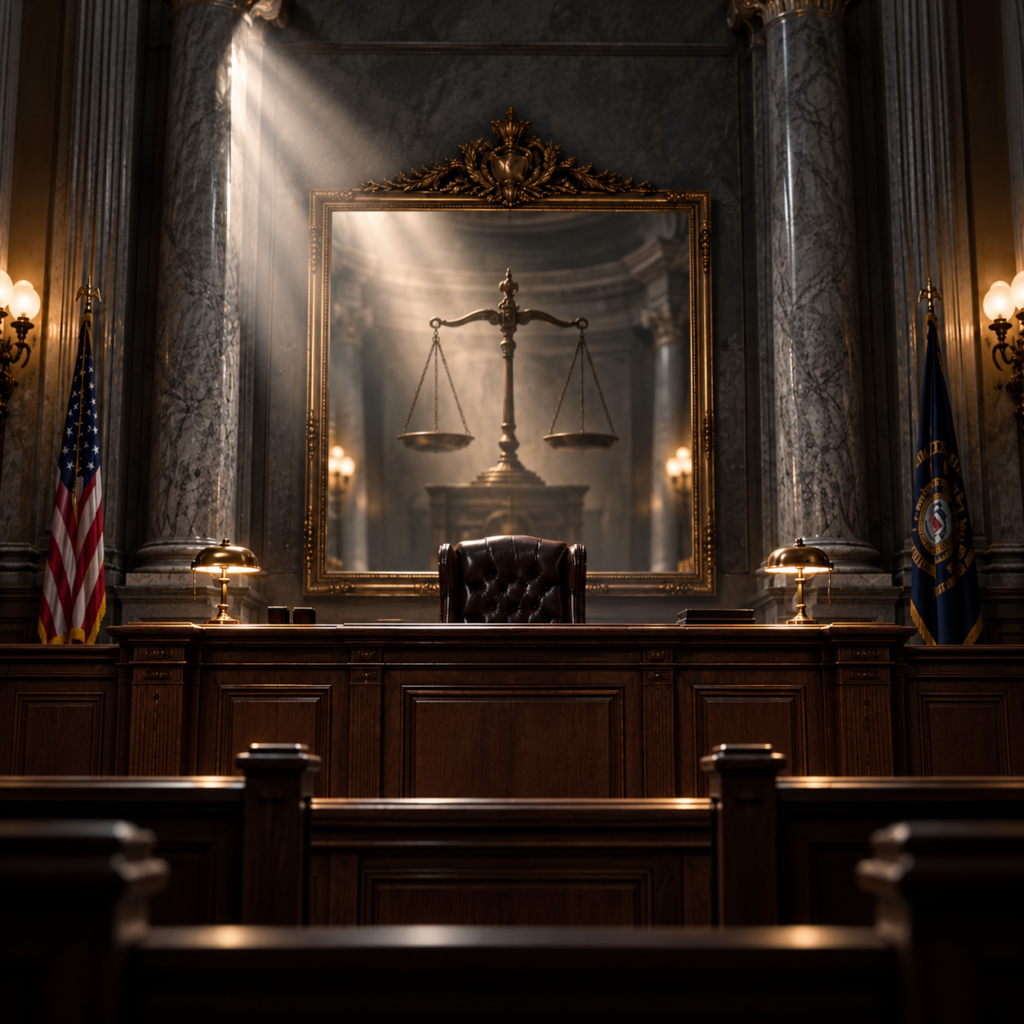
Judging the Judges
FEATURED
October 2, 2026
Judging the Judges
By: Lauren Scribner
Judges are in the business of holding people accountable for crimes and misconduct—but how do we hold judges accountable for their own ethical lapses? Recently, in a moment of frustration, Florida Second Circuit Judge J. Layne Smith told three attorneys practicing in his courtroom that he “would like to tell the deputy to pull his gun and shoot all three of [them] as far as [his] level of frustration right now.”[1] Yes—you read that correctly. A presiding judge vocalized his thought to have attorneys practicing in his courtroom shot by courtroom security. What should the consequence be for using such threatening language? A mere public reprimand and recusal from that case?[2] Or, should there be some sort of tangible punishment?…
Dismissive of Dismissal
September 25, 2026
Dismissive of Dismissal
By: James Trusty
During the two Trump administrations, a trend has begun to emerge of federal judges challenging the once-unrestricted authority of the Department of Justice (DOJ) to dismiss indictments. The longstanding framework of separation of powers suggests this judicial pushback is unsupported activism, but the judges claim the Federal Rules of Criminal Procedure (“Rules”) do not relegate their role to rubber stamping. Ultimately, this trajectory may lead…
In the age of AI, litigators must read between the lines—literally.
August 18, 2026
In the age of AI, litigators must read between the lines—literally.
By: Robert Ward
In the age of AI, litigators must read between the lines—literally. Any attorney who has litigated a case against a party proceeding pro se is familiar with the common refrain that courts liberally construe pro se filings.[1] This leniency was not enough for one Connecticut litigant. In a scheme that gives new meaning to the phrase “reading between the lines,” pro se plaintiff Matthew Elliot…
Marijuana May Be Headed for a Showdown Out West
January 4, 2018
Marijuana May Be Headed for a Showdown Out West
By: Steven Eichorn
Today, Attorney General Jeff Sessions issued a one-page memo to all U.S. Attorneys that announced a sharp reversal on the DOJ’s approach to marijuana prosecutions. Under the Obama administration, the DOJ issued a memorandum in 2013 (the “Cole memo”) that basically provided a safe harbor to the marijuana industry in states that legalized recreational marijuana. The Cole memo allowed the recreational marijuana industry to thrive…
Mental Gymnastics: Silenced Voices of Victims in the Sexual Assault Case by USA Gymnastics Team Physician
December 11, 2017
Mental Gymnastics: Silenced Voices of Victims in the Sexual Assault Case by USA Gymnastics Team Physician
By: James Trusty
The high-profile prosecution of the disgraced physician who treated U.S. Olympic gymnasts ended with a stern sentence but a lingering mystery regarding victim rights. U.S. District Court Judge Janet Neff, serving in the Western District of Michigan, sentenced Larry Nassar to 60 years in prison for his possession of child pornography, as well as some related charges. Nassar had been the team physician for USA…
Did the Paradise Papers and Panama Papers Play a Role in the GOP Tax Plan?
December 5, 2017
Did the Paradise Papers and Panama Papers Play a Role in the GOP Tax Plan?
By: Jeffrey Hamlin
Congress is poised to deliver on tax reform this year. As part of the package, both houses are seeking to encourage the repatriation of trillions of dollars that corporations and wealthy individuals have been stockpiling offshore. For decades, corporations and wealthy individuals have been able to avoid taxes legally by transferring assets to tax-friendly jurisdictions like Bermuda, the Cayman Islands, and Panama. Only when the…
Because We Can: Border Patrol Agent’s Presumed Authority To Search Your Electronic Devices
November 20, 2017
Because We Can: Border Patrol Agent’s Presumed Authority To Search Your Electronic Devices
By: Nicole Kardell
This article was originally posted on FEE.org with the title “You Have a Right to Your Data at the Border” on November 18, 2017 Getting past U.S. Customs used to be an annoyance, an aggravating delay. But unless you were attempting to bring into the country something untoward (say, a delightfully stinky French cheese), you were not overly concerned about confronting a customs agent. That…
The Legal Fallout For Harvey Weinstein’s Hired Hands
November 13, 2017
The Legal Fallout For Harvey Weinstein’s Hired Hands
By: Nicole Kardell
*This article was first published November 9, 2017 as an Expert Analysis – Opinion piece for Law360. The revelations surrounding the Harvey Weinstein cover-up are certainly cringeworthy, but are the actions of the mogul’s hired hands actually illegal? That Weinstein allegedly exploited and victimized women is terrible (even if far too common). The fact that so many firms and individuals, including lawyers, were involved in the cover-up…